

Do Hybrid Vehicles Qualify for Tax Credit?
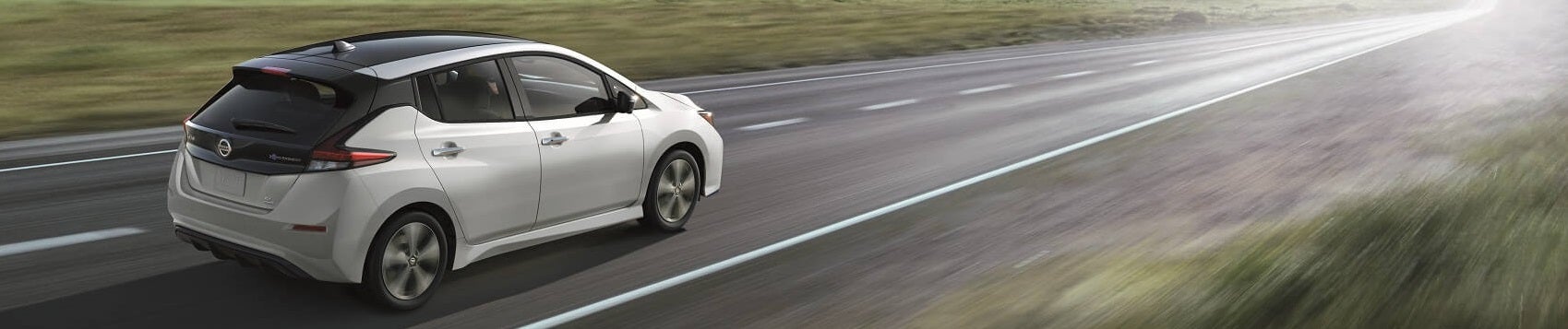
Hybrid vehicles can be a comfortable way to start enjoying the benefits of the electric vehicle (EV) segment while also having the reliability of gas. But aside from the service and other internal benefits, many drivers choose these vehicles for the economic perks and whether some qualify for tax credits.
At Andy Mohr Avon Nissan, serving Avon, Plainfield, and Danville, Indiana, we wanted to investigate this matter so you can have a complete picture of whether hybrid vehicles are eligible for tax credit. Keep reading to learn more.

What Are the Requirements for Tax Credit?
According to Consumer Reports, vehicles must meet specific requirements to qualify for a federal tax credit. First, the vehicle's Manufacturer's Suggested Retail Price (MSRP) must fall below certain thresholds. The cap for SUVs, trucks, and vans is $80,000, while sedans, hatchbacks, and other cars must be at most $55,000. These limits are based on MSRP rather than sale price, so even heavily discounted luxury vehicles might not qualify.
Another key requirement is assembling the vehicle in North America, Canada, and Mexico. This criterion excludes vehicles assembled outside these regions from qualifying for the credit.
Moreover, to secure a full tax credit, at least 50% of the vehicle's battery components must be produced or assembled in North America, and 40% of critical minerals used in the battery must be sourced from the US or countries with which the US has a free-trade agreement.
Plug-In Hybrids May Qualify for Tax Credits
While regular hybrids do not qualify for federal tax credits, plug-in hybrid electric vehicles (PHEVs) do, provided they meet the requirements. For instance, the Chrysler Pacifica Hybrid PHEV is an example of a car that may be eligible for a tax credit.
The Ford Escape Plug-In Hybrid, Jeep Wrangler 4xe, and Lincoln Corsair Grand Touring are also eligible for a tax credit of up to $3,750 if placed in service between January 1 and December 31, 2024. These vehicles offer electric and gasoline power flexibility, making them a versatile option for many drivers.
Benefits of Hybrid Vehicles
Beyond tax credits, hybrid vehicles offer numerous benefits. One significant advantage is their improved fuel efficiency compared to traditional gasoline-powered cars. Hybrids combine an internal combustion engine with an electric motor, reducing fuel consumption and lowering emissions. This dual-power system conserves fuel and contributes to a smaller carbon footprint.
Hybrid vehicles also provide an enhanced driving experience with advanced technology and smooth performance. They often feature regenerative braking systems that capture and store energy during braking, then recharge the battery. This technology improves overall efficiency and driving dynamics. Additionally, many hybrid models come equipped with state-of-the-art infotainment and safety features, enhancing comfort and convenience.
Contact Us to Learn More
Hybrid vehicles present a compelling choice for environmentally conscious drivers, offering financial incentives and practical benefits. At Andy Mohr Avon Nissan, serving Avon, Plainfield, and Danville, IN, we are dedicated to helping you explore these advantages. Contact us for more information about our hybrid and plug-in hybrid inventory and discover how a hybrid vehicle can enhance your driving experience and contribute to a greener future.